
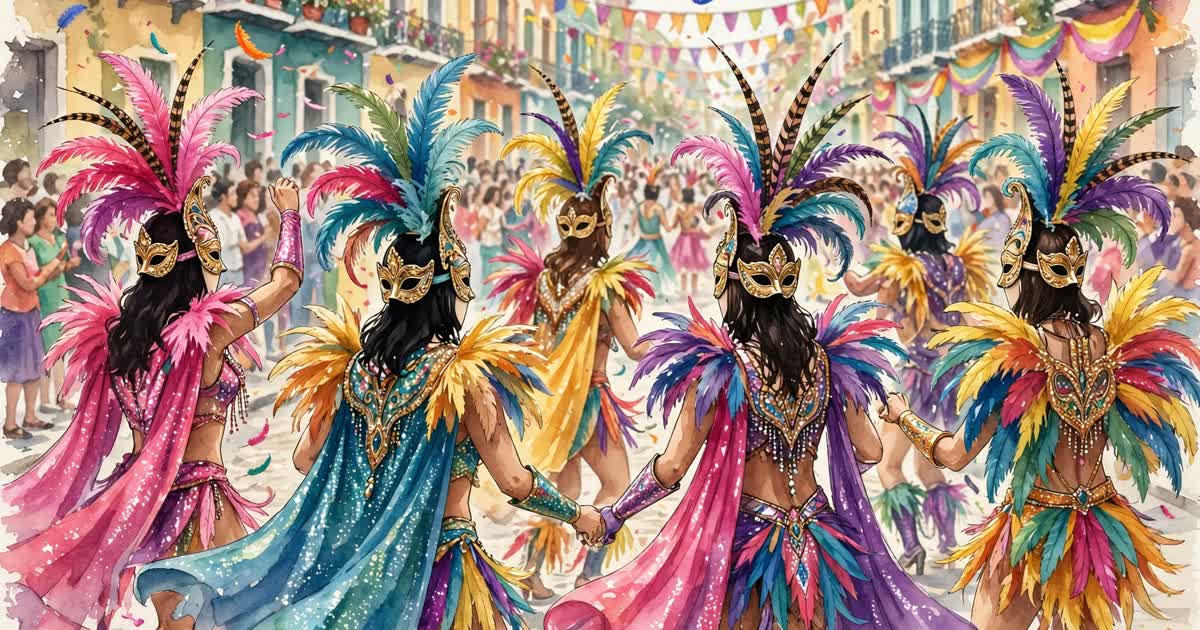
Trinidad Carnival dates anchor the Caribbean festival calendar, drawing hundreds of thousands of revellers to Port of Spain each year for two days of street parades preceded by weeks of competitions, fetes, and cultural events. Carnival Monday and Tuesday fall on the Monday and Tuesday before Ash Wednesday, which means the dates move each year with Easter, and planning requires checking the current year calendar rather than assuming fixed dates.
This guide explains Trinidad Carnival dates and events in full: the season build-up, the major competitions, Jouvert morning, the Parade of the Bands, and practical planning for first-time visitors. Whether you plan to play mas or watch from the stands, understanding the schedule is the key to enjoying the greatest show on earth.
When Are Trinidad Carnival Dates
Carnival dates in Trinidad centre on Carnival Monday and Tuesday, the two days before Ash Wednesday, which begins Lent. Because Ash Wednesday depends on Easter, Carnival Monday and Tuesday usually fall in February or early March, and the exact the Trinidad Carnival calendar shift by weeks from year to year. Always confirm the current year dates with the National Carnival Commission before booking flights or accommodation.
The Carnival season itself lasts much longer than two days, with events beginning in January and sometimes December, including fetes, calypso tents, and Panorama preliminaries. Carnival dates in Trinidad for major competitions are published months in advance, and the final weekend before Monday and Tuesday packs in the biggest events. Visitors who arrive only for the two parade days miss much of the season, while those who arrive a week early experience Carnival at its richest.
Jouvert and Carnival Monday Events
Jouvert, starting in the early hours of Carnival Monday morning, is the rawest and most beloved part of Trinidad Carnival dates. Revellers covered in mud, oil, paint, and powder dance through Port of Spain streets behind music trucks, celebrating the traditional characters of Carnival, including Jab Molassie, the devil figure. Jouvert is messy, joyful, and deliberately unpolished, contrasting sharply with the glittering costumes that follow.
Carnival Monday daytime brings the first Parade of the Bands, with masqueraders in elaborate costumes crossing judging points and dancing through the streets. Monday is often considered the more relaxed parade day, with many bands presenting costumes that will be judged more formally on Tuesday. Trinidad Carnival dates on Monday also include the traditional Monday Night Mas, where bands parade in illuminated costumes after dark.
Carnival Tuesday and the Parade of the Bands
Carnival Tuesday is the climax of Trinidad Carnival dates, when bands compete for Band of the Year honours in the Parade of the Bands. Thousands of masqueraders in themed sections, designed over months by mas makers, dance past judges and crowds to soca and calypso music, with road march songs, the most played tunes of the season, setting the pace. The energy, colour, and scale of Tuesday have made it famous worldwide.
Judging points, including the Queen Park Savannah stage, are where bands perform choreographed presentations for judges, while the streets offer a more spontaneous experience. Trinidad Carnival dates on Tuesday end with the traditional close of festivities before Ash Wednesday, and many revellers continue to beach parties and cool-down events in the days after. For first-timers, watching from a grandstand gives the best view of costumes, while joining a band gives the full participatory experience.
Panorama, Soca Monarch and Calypso Competitions
Before the parades, Trinidad Carnival dates feature world-class music competitions that are festivals in themselves. Panorama, the national steelpan competition, fills the Queen Park Savannah with orchestras of up to a hundred players performing arranged calypso and soca pieces, and its finals night is one of the loudest, most thrilling events in Caribbean music. Large, medium, and small band categories ensure steelbands of every size compete.
Soca Monarch crowns the best soca artists in power and groovy categories, while Calypso Monarch, held on Dimanche Gras, the Sunday before Carnival, celebrates the witty, socially observant calypso tradition. The King and Queen of Carnival competition showcases enormous individual costumes, some metres tall and wide, carried by performers who dance under their weight. These Trinidad Carnival dates events deserve attendance in their own right, not just as warm-ups for the parades.
Fetes and the Social Side of Trinidad Carnival Dates
Fetes, the all-inclusive parties that fill Trinidad Carnival dates, are where much of the season social life happens. All-inclusive fetes offer unlimited food and drink for a single ticket price, with top soca artists performing live, while cooler fetes let revellers bring their own drinks and food. Breakfast parties, beach parties, and boat rides extend the celebration across days and venues, and tickets for the best fetes sell out months ahead.
Budget for fetes carefully, since Trinidad Carnival dates can become expensive quickly when tickets, costumes, transport, and accommodation combine. Prioritise two or three must-attend fetes rather than trying to attend everything, and pace yourself: Carnival is a marathon across weeks, and exhaustion ruins parade days. Hydrate, eat properly, and look after friends, because the heat, crowds, and late nights demand respect even amid celebration.
Planning a Trip Around Trinidad Carnival Dates
Planning around Trinidad Carnival dates starts with early booking: flights and Port of Spain accommodation sell out months ahead, and prices rise sharply as Carnival approaches. Playing mas requires joining a band and buying a costume package, which includes your costume, drinks, food, and security on parade days, while watching requires grandstand tickets or a good street position secured early. Book both as soon as dates are confirmed.
Safety and comfort planning matters for Trinidad Carnival dates: wear comfortable shoes, protect phones and valuables, carry water, and agree meeting points with friends, since mobile networks strain under crowds. Respect local customs and performers, ask before photographing individuals closely, and follow police and band leader instructions on parade routes. With preparation, Trinidad Carnival becomes not just a party but a profound cultural experience that keeps visitors returning year after year.
For related guidance, see Play Whe results Trinidad guide, Grenada beaches and sailing guide, Barbados weather and hurricane season guide.
Sources: National Carnival Commission of Trinidad and Tobago (ncctt.org), Trinidad and Tobago Tourism, official Carnival event schedules.