
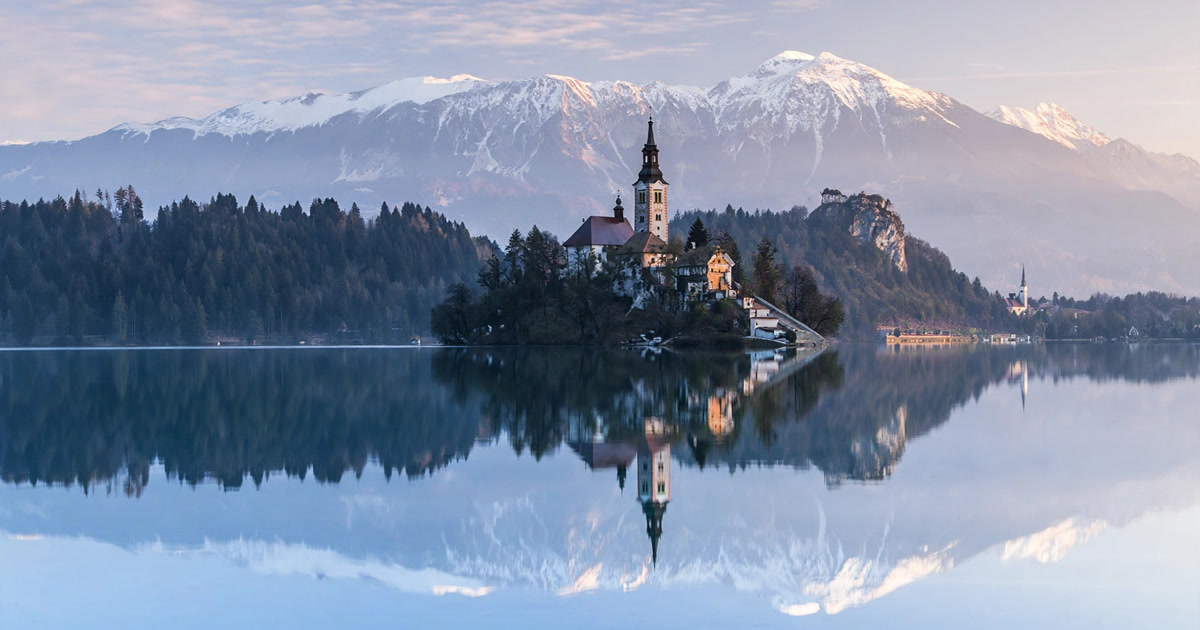
Slovenia compresses Alpine peaks, emerald rivers, lake towns and a short Adriatic coast into a country smaller than many regions. Slovenia mountain travel connects Triglav National Park, Lake Bled, the Soča Valley and Piran in journeys of a few hours, not days.
This guide covers Slovenia mountain travel by region: where to hike, climb, swim and eat, plus seasons, transport and practical tips. It suits walkers, climbers, families and anyone who wants mountains and sea in a single trip.
Triglav and the Julian Alps
Slovenia mountain travel centres on Triglav, the 2,864-metre national symbol, whose ascent is a rite of passage for Slovenians. Triglav National Park protects the Julian Alps, with trails, huts, lakes and valleys for all abilities, not just summit climbers.
Popular routes include the Krma Valley approach, the Pokljuka plateau, and multi-day hut-to-hut hikes, while easier valley walks suit families. Mountain huts offer food and beds in summer, but booking and fitness matter for high routes.
Lake Bled and Lake Bohinj
Lake Bled, with its island church and castle, is Slovenia mountain travel's most photographed stop, offering rowing, swimming, cycling and cream cake, or kremšnita, in lakeside cafes. Nearby Lake Bohinj is larger, wilder and quieter, with Vogel cable car and Savica waterfall.
Both lakes serve as bases for Julian Alps exploration, with buses and trains linking them to Ljubljana. Visit early or late in the day to avoid crowds, and combine lakes with valley hikes for a fuller mountain experience.
Soča Valley and Adventure Sports
The Soča Valley, with its emerald river, is Slovenia mountain travel's adventure capital, offering rafting, kayaking, canyoning, paragliding and fly-fishing, plus First World War history at Kobarid museum and outdoor trails.
Towns such as Bovec, Kobarid and Tolmin provide bases, guides and equipment, with activities graded for beginners and experts. River levels and weather affect safety, so book licensed operators and follow their guidance.
Adriatic Coast: Piran and Portorož
Slovenia's short Adriatic coast adds sea to Slovenia mountain travel, with Piran's Venetian old town, Tartini Square and salt pans at Sečovlje, plus Portorož's beaches, spas and casinos. The coast is compact enough to explore in a day from mountain bases.
Coastal food features seafood, olive oil and Refosco wine, while salt-pan tours explain a centuries-old industry. Combining mountains and coast in one trip captures Slovenia's geographic variety better than either alone.
Planning Slovenia Mountain Travel
Planning Slovenia mountain travel means choosing seasons: summer for hiking and lakes, autumn for colours and harvests, winter for skiing, and spring for waterfalls and wildflowers. Mountain weather changes fast, so pack layers and check forecasts daily.
Transport combines trains, buses and car hire, with Ljubljana as the hub. To save money, travel on a budget with shoulder-season stays and apartments, add travel insurance for mountain activities, and use a holiday travel booking guide to compare stays.
Triglav National Park Rules
Triglav National Park rules protect fragile alpine environments: stay on marked trails, carry out litter, respect wildlife, and follow hut and camping regulations. Wild camping is restricted, and fires are controlled, preserving the park for future visitors.
Park rangers, information centres and hut keepers advise on routes, weather and safety, and visitors should heed their guidance. Responsible Slovenia mountain travel keeps the Julian Alps pristine while allowing adventurous exploration.
Food and Wine on Mountain Routes
Mountain food in Slovenia includes hearty stews, dumplings, cheeses and cured meats served in huts, plus valley restaurants offering trout, game and seasonal vegetables. Wine routes in Goriška Brda and Vipava Valley complement mountain trips.
Hut meals are simple, filling and social, with shared tables and local dishes, while coastal restaurants add seafood and olive oil. Tasting local food turns Slovenia mountain travel into a culinary journey across regions.
Cycling in Slovenia's Mountains
Cycling in Slovenia's mountains ranges from road climbs such as Vršič Pass and Mangart Saddle to mountain-bike parks and valley cycle paths along the Soča and Sava rivers. E-bikes open mountain cycling to less fit riders.
Bike rental, guided tours and luggage transfers support multi-day cycling trips, with routes linking Bled, Bohinj, Kobarid and the coast. Check road conditions, carry repair kits, and respect traffic on narrow mountain passes.
Winter Mountain Travel
Winter Slovenia mountain travel means skiing, snowshoeing, ice climbing and winter hut visits, with Triglav National Park offering snowy landscapes and frozen waterfalls. Winter routes demand avalanche awareness, warm clothing and shorter daylight planning.
Guided winter tours help newcomers experience snow safely, from snowshoe walks to ice-climbing introductions. Mountain huts open selectively in winter, so check availability and book ahead for overnight winter trips.
Slovenia Mountain Travel: Hut-to-Hut Hiking
Hut-to-hut hiking defines Slovenia mountain travel, with marked trails linking staffed huts across the Julian Alps, Kamnik-Savinja Alps and Karawanks. Huts offer beds, meals and route advice, making multi-day hikes accessible without camping gear.
Plan Slovenia mountain travel hut routes by fitness, book beds in peak summer, carry maps, water and layers, and check hut opening dates. Hut culture, with shared meals and mountain stories, is a highlight of Slovenian hiking.
Slovenia Mountain Travel: Coastal Extension Tips
Extending Slovenia mountain travel to the coast works best by basing final nights in Piran or Portorož, with salt-pan tours, seafood dinners and Adriatic swims rewarding mountain effort. Buses and cars link the coast to Ljubljana and the Alps in hours.
Pack for both climates: mountain layers and coastal swimwear, since Slovenia mountain travel spans alpine cold and Adriatic warmth in a single trip. A combined itinerary captures Slovenia's full geographic story.
Photography in Slovenia's Mountains
Photography in Slovenia's mountains rewards early mornings, when mist fills valleys, light hits Triglav's walls, and lakes mirror peaks before winds ripple surfaces. Bled at dawn, Soča's emerald bends and Piran's sunsets offer iconic frames within short drives.
Pack a tripod for low light, protect gear from rain and dust, and respect restricted areas near wildlife and private land. The best mountain photographs come from patience: waiting for light, weather breaks and quiet moments away from midday crowds.
Slovenia's mountains and coast fit together beautifully: climb Triglav, swim in Bled, raft the Soča, then dine in Piran. Plan by season, respect mountain weather, and travel slowly.
Sources: Slovenian Tourist Board; Triglav National Park; Visit Piran.