
What the Iceland Golden Circle and Blue Lagoon Cover
The Iceland Golden Circle and Blue Lagoon are Iceland's two most famous visitor experiences, and they are often combined in a single trip, though they sit in different places and offer different pleasures. The Golden Circle is a roughly 300-kilometre driving loop from Reykjavik covering Thingvellir National Park, the Geysir geothermal area, and Gullfoss waterfall, three sites that showcase Iceland's geology, history and water power in a single day. The Blue Lagoon is a geothermal spa near Grindavik, with milky-blue mineral-rich water, silica masks, and a landscape of black lava fields, best visited as a relaxing bookend to a busy sightseeing day.
Together they give a first-time visitor a concentrated taste of Iceland: tectonic plates, erupting hot springs, a thundering waterfall, and a geothermal lagoon, all within easy reach of the capital. This guide explains each stop, how to plan the loop, how to book the lagoon, and what to see beyond the classics if you have more time.
Thingvellir, Geysir and Gullfoss: The Three Golden Circle Stops
Thingvellir, Thingvellir National Park, is where the North American and Eurasian tectonic plates meet and pull apart, creating a rift valley landscape of cliffs, fissures and lakes, and where Iceland's first parliament, the Althing, met from 930 AD in an outdoor assembly that is central to Icelandic history. Walk between the plates, visit the Oxararfoss waterfall, and snorkel or dive in the Silfra fissure, where glacial water offers extraordinary visibility, if you are certified and booked with a licensed operator.
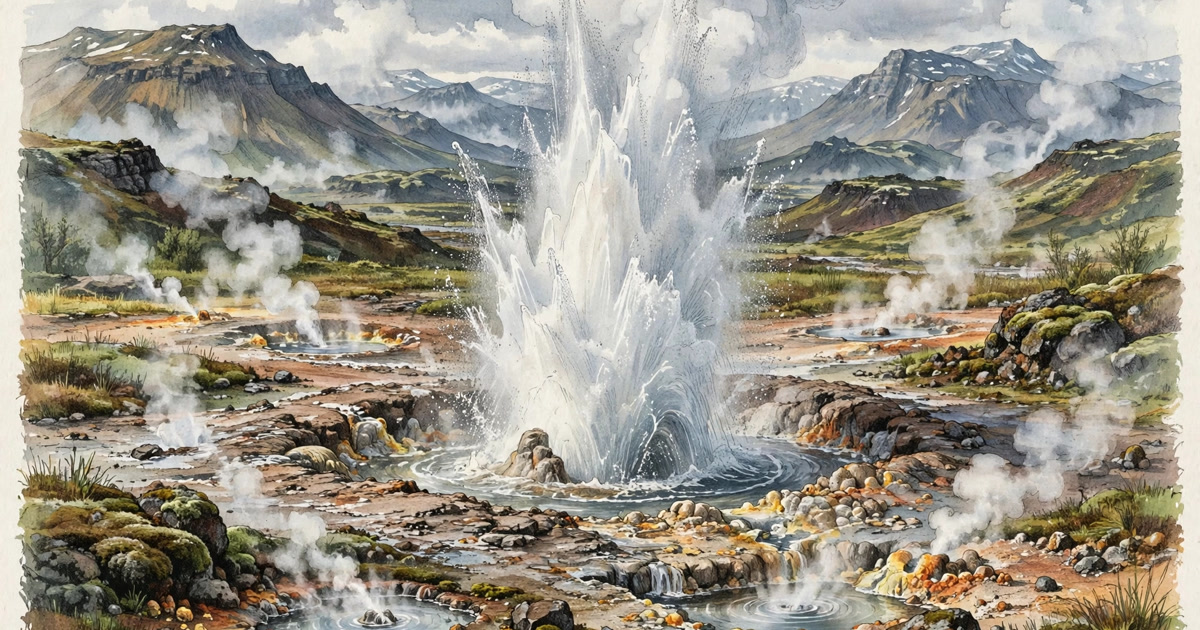
Geysir is the geothermal area that gave the world the word geyser: the original Geysir erupts rarely now, but its neighbour Strokkur erupts every few minutes, shooting boiling water metres into the air, surrounded by bubbling mud pools, steam vents and colourful mineral deposits. Gullfoss, the Golden Falls, is a two-tier waterfall on the Hvita river, thundering into a rugged canyon, with viewing platforms that let you feel the spray and hear the power, especially in summer when glacial melt swells the river. Iceland Golden Circle and Blue Lagoon planning should allow at least an hour at each Golden Circle stop, plus driving time.
Planning the Golden Circle: Driving, Tours and Seasons
The Golden Circle can be driven independently in a day from Reykjavik, following Route 36 to Thingvellir, then routes to Geysir and Gullfoss, with optional detours to Kerid crater, Fridheimar tomato greenhouse, and Secret Lagoon. Rent a car with appropriate insurance, check road conditions on road.is, especially in winter, and drive carefully on gravel and in wind, since Icelandic weather changes fast and roads can be icy, flooded or closed.
Guided tours, by bus, small group, or private driver, suit visitors who prefer not to drive, and many combine the Golden Circle with the Blue Lagoon or other sites. Summer offers long daylight, green landscapes and accessible roads, while winter offers snow, ice, northern lights possibilities, and shorter days that require earlier starts. Dress in layers, waterproofs and sturdy shoes year-round, since Golden Circle sites are outdoors and exposed, and our guide to travelling on a budget can help you balance tour, car and accommodation costs.
The Blue Lagoon: Booking, Etiquette and Experience
The Blue Lagoon requires advance booking, with timed entry tickets that sell out, especially in summer and at popular times, so book as early as possible once travel dates are fixed. Ticket tiers include basic entry with a silica mask and towel options, plus premium packages with bathrobes, drinks, and restaurant reservations. Arrive at your booked time, shower without swimwear before entering, as Icelandic pool etiquette requires, and follow lagoon rules on hair protection, since silica can dry hair, and on staying hydrated.
The lagoon's water, around 37 to 39 degrees Celsius, is rich in silica, algae and minerals, and the experience combines bathing, floating, mask application, and relaxing in a lava-field setting that feels otherworldly. Allow two to three hours, including changing and showering, and consider visiting on arrival or departure day, since the lagoon sits near Keflavik airport, making it a convenient first or last stop. If the Blue Lagoon is fully booked, alternatives include Sky Lagoon near Reykjavik and Secret Lagoon on the Golden Circle route.
Beyond the Classics: Iceland Nature After the Golden Circle
Iceland nature beyond the Golden Circle and Blue Lagoon rewards extra days: the South Coast waterfalls Seljalandsfoss and Skogafoss, black sand beaches at Reynisfjara, glacier lagoons at Jokulsarlon, the Snaefellsnes peninsula, and the fjords of the East and Westfjords each offer distinct landscapes. Northern Iceland offers Lake Myvatn, Dettifoss waterfall, and whale watching from Husavik, while the Highlands, accessible only in summer by suitable vehicles, offer remote volcanic deserts and hot rivers.
Respect Icelandic nature: stay on marked paths, do not drive off-road, which is illegal and damages fragile moss and soil for decades, and check weather and road conditions daily, since Icelandic nature is powerful and changeable. With the Golden Circle and Blue Lagoon as a foundation, and travel insurance that covers outdoor activities and weather disruption, Iceland offers a lifetime of nature exploration beyond its two most famous experiences.
Iceland Golden Circle and Blue Lagoon: What to Remember
When you put this guide into practice, start with the official sources named above and check them again before acting, since Iceland Golden Circle and Blue Lagoon rules, schedules and services change over time. In Iceland, the details that matter most are usually the ones tied to your own situation, your location, your eligibility, and your timing, so compare the general advice here with your specific case before making a decision about tourism: Golden Circle, Blue Lagoon and nature.
Keep the key documents, links and dates from this guide in one place, revisit Iceland Golden Circle and Blue Lagoon whenever your plans change, and ask an official adviser or service when a detail is unclear. With that habit, Iceland Golden Circle and Blue Lagoon becomes a routine you can manage confidently, rather than a topic you have to relearn from scratch each time you need it.
A final practical point is worth repeating: the most reliable information about Iceland Golden Circle and Blue Lagoon always comes from the official source for your country, region or institution, not from a summary alone, however careful. Summaries help you understand the shape of a topic, but applications, deadlines and eligibility are decided by official rules, so verify the specific rule that applies to you before you act, and keep a copy of what you were told.
Finally, share what you learn where it helps others: a friend, colleague or family member facing the same question about tourism: Golden Circle, Blue Lagoon and nature in Iceland will benefit from the same official links and the same habit of checking early. Good information, passed on accurately, is part of what makes Iceland Golden Circle and Blue Lagoon easier for everyone, and returning to this guide whenever you need a refresher will keep your understanding current as rules and services evolve.
In short, Iceland Golden Circle and Blue Lagoon is worth revisiting whenever your plans change, because the official guidance and the practical details around it are updated regularly.
In short, Iceland Golden Circle and Blue Lagoon is worth revisiting whenever your plans change, because the official guidance and the practical details around it are updated regularly.
In short, Iceland Golden Circle and Blue Lagoon is worth revisiting whenever your plans change, because the official guidance and the practical details around it are updated regularly.
In short, Iceland Golden Circle and Blue Lagoon is worth revisiting whenever your plans change, because the official guidance and the practical details around it are updated regularly.