
Why Iceland Football and Handball Matter So Much
Iceland football and handball matter disproportionately to Iceland's size, because a nation of under 400,000 people regularly competes with, and sometimes beats, countries many times larger. Football captured world attention when Iceland's men's team reached the Euro 2016 quarter-finals, with the Viking Clap echoing around stadiums, while handball has a longer pedigree, with Olympic and World Championship medals and a domestic league that feeds top European clubs. Together they are Iceland's two great team sports, followed passionately in a small, close-knit sporting culture.
For newcomers, the key is seasonality and scale: football peaks in summer, handball in winter, and both are played in communities across Iceland, from Reykjavik clubs to small-town teams that are central to local identity. Understanding each sport's league, national team and culture is enough to follow Icelandic sport confidently, whether you live in Iceland or watch from abroad.
Icelandic Football: Urvalsdeild and the National Teams
Icelandic football's top league, the Urvalsdeild, known as Besta deild karla for men, is played in summer, roughly April to October, to avoid winter darkness and cold, with clubs including Valur, KR, Breidablik, Stjarnan and Vikingur Reykjavik among the regular contenders. The league is competitive, with European qualification places for the Champions League and Conference League, and a cup competition, the Icelandic Cup, offering another European route and giant-killing drama.
The men's national team, Strákarnir okkar, Our Boys, reached Euro 2016 and the 2018 World Cup, landmark achievements that transformed Icelandic football's self-belief and youth development. The women's national team has also grown rapidly, with regular European Championship appearances and players in top European leagues. Home matches are at Laugardalsvollur in Reykjavik, and Iceland football and handball fans often follow both sports, switching from football grounds in summer to handball halls in winter.
Icelandic Handball: Olis Deildin and a Medal Tradition
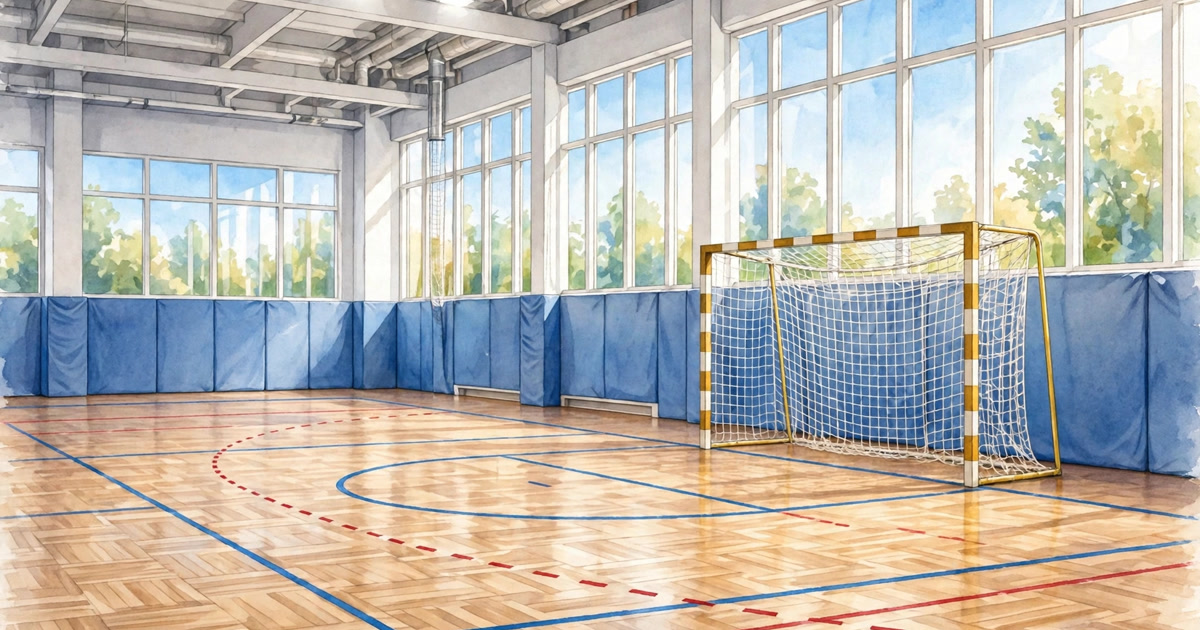
Icelandic handball's top leagues, Olis deildin for men and women, are played in winter, roughly autumn to spring, in indoor halls across Iceland, with clubs including Valur, Haukar, FH Hafnarfjordur and Selfoss among the leading sides. Handball is fast, high-scoring and physical, with seven players per side, rapid attacks, and goalkeepers who are stars in their own right, and Icelandic crowds are knowledgeable and loud, especially for derbies and play-offs.
Iceland's handball national teams have a proud record: the men's team won Olympic silver in 2008 and European Championship bronze in 2010, among other medals, and regularly qualify for World and European Championships, while the women's team also competes at European level. Many Icelandic handball players move to top leagues in Germany, France and Denmark, returning to strengthen the national team, and handball's success has shaped Icelandic sporting identity as much as football's recent rise.
Youth Development, Facilities and Community Sport
Icelandic sport is built on community clubs, volunteer coaches, and excellent facilities, including indoor halls, heated football pitches, and swimming pools in almost every town, funded through municipalities and lottery revenues. Children play multiple sports, with football in summer and handball or other indoor sports in winter, and clubs emphasise participation, enjoyment and development over early specialisation, which helps explain Iceland's success across sports despite its small population.
Indoor football in winter, futsal and indoor training, bridges the seasons, and many footballers also play handball as children, building athleticism and ball skills that transfer between sports. For visitors, attending a local Urvalsdeild or Olis deildin match is an accessible, welcoming experience, with affordable tickets and close-to-the-action halls and grounds, and our guide to travelling on a budget can help plan a sporting trip to Iceland.
Following Iceland Football and Handball All Year
Build a seasonal routine: football Urvalsdeild and national team qualifiers in summer, handball Olis deildin and championships in winter, with the Viking Clap and handball chants as cultural markers of each season. Icelandic sports media, RUV, Visir, and league official sites offer fixtures, results and highlights, with English-language coverage growing for national teams, especially during major tournaments.
If you visit Iceland for sport, buy tickets early for national team matches and play-off finals, which sell out, and consider a regular league match for a relaxed first experience. Learn club colours and the Viking Clap rhythm before you go, respect the community club ethos, and check world time zones explained for streaming from abroad. Followed this way, Iceland football and handball become a year-round window into Icelandic culture.
Making the Most of Iceland football and handball
The practical lesson of this guide is simple: use the official Iceland football and handball sources first, note what applies to your own circumstances in Iceland, and double-check dates, eligibility and costs before you commit to anything connected with sport: football and handball. Small checks at the start prevent the most common problems, from missed deadlines to wrong assumptions about what a service covers.
Save this guide, set reminders for any deadlines it mentions, and return to Iceland football and handball whenever your situation changes, since a new job, move, or family change can alter what applies to you. Shared with family or colleagues who face the same questions, Iceland football and handball advice becomes easier to follow, and you will find that the system, once understood, is far more navigable than it first appears.
It also helps to keep a short personal note alongside this guide: the dates you applied, the offices you contacted, the reference numbers you were given, and the outcomes, since that record answers most follow-up questions without a fresh search. Official guidance on Iceland football and handball changes over time, so a dated note of what applied when you acted protects you if a rule later changes or a decision is questioned.
In the end, the goal is not to memorise every detail of sport: football and handball in Iceland, but to know where to look, whom to ask, and what to check before deciding. With official sources bookmarked, documents organised, and Iceland football and handball revisited at the right moments, you can handle this topic with confidence, and help others do the same.