
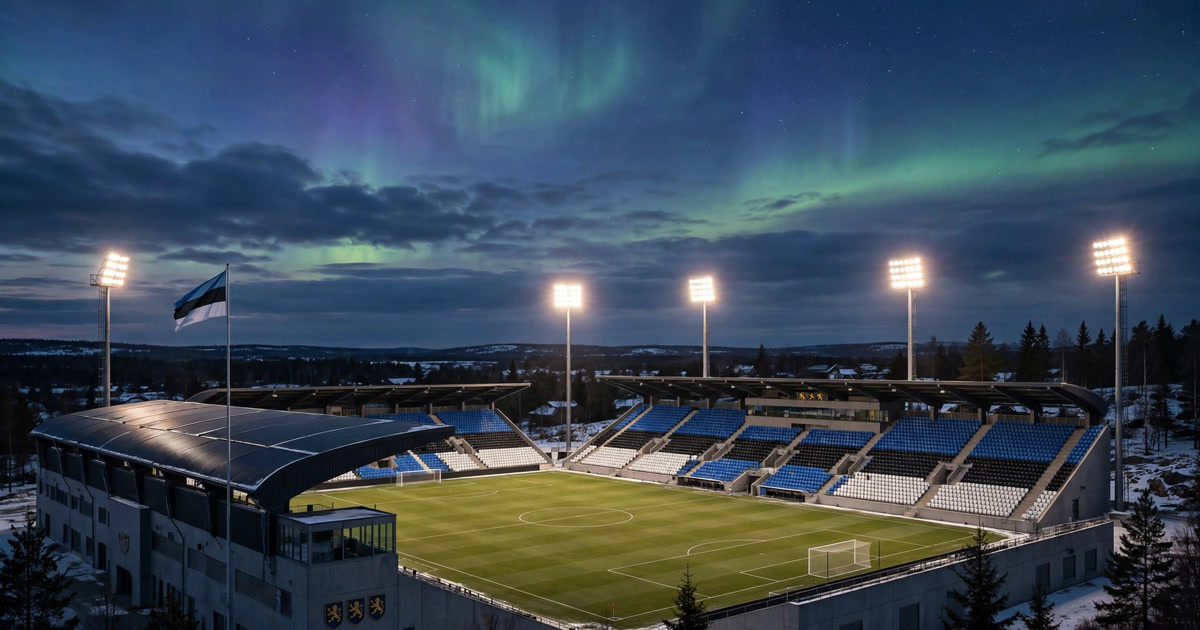
Estonian football is small but well organised, with a summer-season league, strong youth academies and clubs that regularly test themselves in Europe. The Estonia football league, the Premium Liiga, revolves around Tallinn rivals Flora and Levadia, plus challengers such as Kalju and Paide.
This guide explains the Estonia football league: its format, main clubs, national-team links, European stakes and how to follow results. It suits fans of northern European football and newcomers to the Baltic game.
Premium Liiga Format
The Estonia football league plays a calendar-year season, roughly March to November, avoiding harsh winter months, with 10 clubs playing each other multiple times. The format produces many meetings between rivals and a long, evolving title race.
Points decide the title, European places and relegation, with the bottom club relegated and the second-bottom facing a play-off. Estonia football league results thus matter from spring's first fixtures to November's final rounds.
Flora, Levadia and Tallinn Rivalry
Flora Tallinn, Estonia's most successful club, and Levadia Tallinn dominate Estonia football league history, with their derby dividing the capital. Flora's academy and European runs set standards, while Levadia's investment and squad depth keep the rivalry close.
Derby matches at A. Le Coq Arena and Lilleküla attract the league's largest crowds, and their results often decide titles. For new fans, following Flora-Levadia fixtures, head-to-head records and title run-ins gives a fast education.
Kalju, Paide and Other Clubs
Beyond Tallinn, Estonia football league clubs include Nõmme Kalju, Paide Linnameeskond, Tartu Tammeka and Narva Trans, each with distinct identities. Paide's community model and youth focus earn respect, while Narva brings Russian-speaking border-city support.
Smaller clubs rely on academies, smart signings and European qualifying income, and their results against Tallinn giants produce the league's surprises. Following these clubs reveals Estonian football's depth beyond the capital.
National Team and European Links
Estonia football league form feeds the national team, which plays at A. Le Coq Arena and has enjoyed famous results, including wins over stronger nations in qualifying. Domestic players mix with foreign-based professionals in national squads.
European places from the league include Champions League qualifying for champions and Conference League qualifying for cup winners and top clubs. Coefficient points from these runs affect future paths, making European results nationally significant.
How to Follow Estonia Football League Results
Reliable Estonia football league results come from EJL channels, club sites and sports apps, with fixtures, live scores, tables and scorers, often in Estonian and English. Summer-season timing means evening matches under long northern daylight.
For matchdays, Tallinn games are accessible by public transport, with affordable tickets and family sections. A beginners guide to running routine keeps fans active, while travel on a budget tips help with away trips to Tartu, Narva and Pärnu.
Estonian Football Academies
Estonian football academies, especially Flora's, produce national-team players through structured coaching, school partnerships and youth leagues. Academy graduates move to Scandinavian, Dutch and other European clubs, returning stronger for national duty.
Youth investment sustains Estonian football despite small numbers, with coaching education and facilities improving steadily. Following academy prospects gives fans early insight into future league and national-team stars.
Futsal and Women's Football
Futsal in Estonia grows through indoor leagues and national-team programmes, suiting winter months when outdoor football pauses. Women's football also expands, with Flora and other clubs leading the women's league and European qualifying efforts.
Both formats broaden Estonian football participation, offering pathways for players beyond the men's outdoor game. Fans following futsal and women's results gain a fuller picture of Estonian football culture.
Stadiums and Matchday Culture
Estonian stadiums include A. Le Coq Arena in Tallinn, the national stadium, plus smaller grounds in Tartu, Narva and Pärnu, with modern facilities and family sections. Matchdays are relaxed, affordable and community-focused.
Supporters' groups, drums and flags add atmosphere, especially for derbies and European nights, while family attendance keeps grounds welcoming. Visiting a Premium Liiga ground offers an authentic, low-cost football experience.
Estonian Players Abroad
Estonian players abroad, from Ragnar Klavan's Liverpool and Cagliari spells to current professionals in Scandinavia and Central Europe, raise the national team's level and inspire young players. Foreign experience brings tactical and physical development.
Tracking Estonians abroad helps fans understand national-team selection, since club form in stronger leagues weighs heavily. Domestic league results remain the foundation, but exports show Estonian football's reach.
Estonia Football League: Key Fixtures Guide
Key fixtures in the Estonia football league include Flora-Levadia derbies, Tallinn versus Tartu clashes, and late-season title deciders, where results swing championships. Mark derby dates early, since they draw the largest crowds and media attention.
The Estonia football league calendar also features cup finals and European qualifying draws that shape club seasons. Following key fixtures, not just weekly results, reveals the league's narrative arc.
Estonia Football League: Season Preview Habits
Season previews for the Estonia football league should track transfers, managerial changes, academy promotions and European draws, since small squads change quickly. Pre-season friendlies and cup results hint at form before league openers.
The Estonia football league rewards followers who learn squads and stories, not just tables. Read previews, watch opening rounds, and adjust expectations as the summer season unfolds.
Football and Estonian Identity
Football in Estonia competes with basketball, ice hockey and athletics for attention, yet it holds a distinct identity through summer-season community football, youth academies and national-team pride. Small crowds belie genuine passion, especially for derbies and European nights.
Community clubs, school programmes and volunteer coaches sustain the sport beyond professional ranks, with amateur leagues across counties feeding talent upward. Football's Estonian story is one of steady, organised growth rather than sudden glamour.
Youth Leagues and School Football
Youth leagues and school football in Estonia feed the Premium Liiga through age-group competitions, school tournaments and academy pathways, with coaches emphasising participation, fundamentals and enjoyment alongside elite development.
School football festivals and county competitions introduce children to organised sport, while talented players progress to club academies. This broad base sustains Estonian football's future, even as professional attention focuses on Tallinn's top clubs.
Estonian football offers a compact, summer-season league with a fierce capital rivalry and European ambitions. Follow Flora and Levadia, watch Paide's model, and the league's story unfolds.
Sources: Estonian Football Association (EJL); Premium Liiga official data.