
Denmark Superliga Fixtures: The Season at a Glance
Denmark Superliga fixtures follow a rhythm shaped by Denmark's climate and its play-off format. The season starts in July, runs through autumn, pauses for a winter break, and resumes in spring for the decisive play-off phase. Twelve clubs contest the league, a compact size that means every fixture matters: with fewer games than England or Spain, a single defeat can move a club several places, and rivalries repeat often enough to build real storylines.
Most rounds fall on weekends, with Friday evening and Sunday fixtures common and Monday games occasional. European ties and Danish Cup rounds move league fixtures, so the published list evolves through the season. The habit for fans is the same as for any league: check Denmark Superliga fixtures at the start of each week, note moved kick-offs, and follow results on Sunday evening when the round completes.
How the Superliga Format and Play-offs Work
The Superliga format has two phases. In the regular season, all twelve clubs play each other home and away, 22 games each. Then the league splits. The top six enter the Championship Play-offs, playing each other home and away again with regular-season points carried forward, to decide the champion and European qualification. The bottom six enter the Relegation Play-offs, also carrying points forward, to decide which clubs drop to the First Division and which survive.
Carrying points forward, rather than halving them as Belgium does, means the regular season matters fully, but the play-offs still compress the drama: ten extra games among the top six decide the title, and ten among the bottom six decide survival. European places add complexity, since the Danish Cup winner and play-off positions interact with UEFA qualifying routes. For newcomers, the key is to read Denmark Superliga fixtures in two halves: the regular season builds the split, and the play-offs decide everything.
Clubs, Derbies and Stadiums
FC Copenhagen, based at Parken in the capital, is Denmark's dominant modern club, with regular Champions League nights and the country's largest crowds. Brøndby, from the Copenhagen suburbs, are their great rivals, and the New Firm derby between them is Denmark's biggest club fixture, loud, colourful and fiercely contested. FC Midtjylland, from Herning in Jutland, built success on data-driven recruitment and a famous academy, while AGF Aarhus, Silkeborg, Viborg, Randers and others give the league depth across Jutland and the islands.
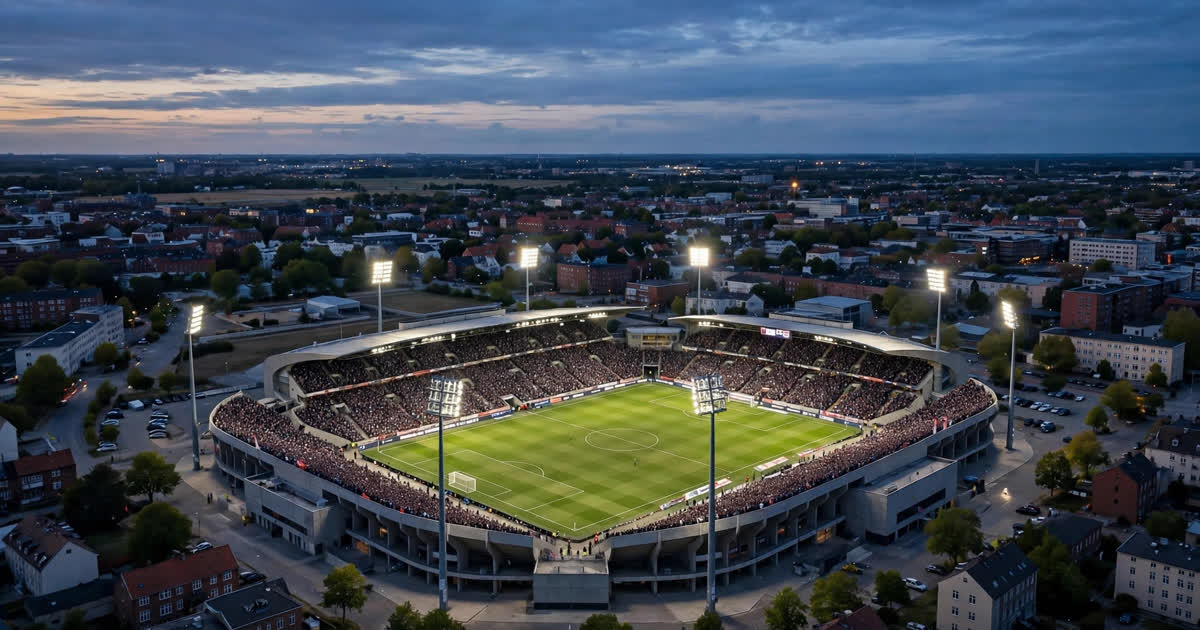
Danish stadiums are compact, modern and easy to reach by train or bike, and tickets are generally accessible, making away days straightforward. Copenhagen offers the biggest occasion, but Aarhus, Herning and Brøndby all reward a visit. For travelling fans, our guide to travelling on a budget covers Danish transport and accommodation, where cycling and trains make matchdays simple.
Following Denmark Superliga Fixtures, Results and Tables
To follow Denmark Superliga fixtures properly, keep the play-off picture in mind. During the regular season, the key question is which six clubs reach the Championship group, since seventh place, however close, means a relegation battle instead of a title race. During the play-offs, form over ten games matters more than any single result, and head-to-head games between contenders swing the table dramatically.
Use the official Superliga site for fixtures and tables, a live-score app for goal alerts, and club channels for team news and ticket information. Kick-off times are Central European Time, so fans abroad should convert carefully, using our explainer on world time zones if needed. Danish football also produces talent for bigger leagues, so following the Superliga is a way to spot future stars before they move abroad.
Denmark, the Premier League and Danish Players Abroad
Many fans arrive at Danish football through the Premier League, where Danish players have long been prominent, from goalkeepers and defenders to midfielders and forwards. Following Denmark Superliga fixtures alongside Premier League games gives a fuller picture: young Danes develop in the Superliga, move to bigger leagues, and return to the national team stronger. The Danish national team, famous for winning Euro 1992 against the odds, benefits directly from a healthy domestic league.
The two leagues also differ in scale and style. The Premier League is a global commercial giant, while the Superliga is a compact, community-rooted competition where youth development and tactical innovation matter more than transfer spending. Fans who enjoy both get the best of both worlds: Premier League spectacle at the weekend and Superliga discovery during the week. Denmark Superliga fixtures are worth following in their own right, not just as a feeder to bigger leagues.
A Fan's Routine for Danish Football
Build a simple routine and Danish football becomes easy to follow. On Monday, check Denmark Superliga fixtures for the coming round and note any Friday or Monday games. After the round, check the table with the play-off split in mind. During the winter break, follow transfer news and cup draws, which shape the spring run-in.
Set alerts for your club so moved kick-offs reach you automatically, and if you attend games, use trains and bikes, arrive early, and enjoy the family-friendly atmosphere that Danish stadiums are known for. If matchdays inspire you to get active, our beginner's running guide is a gentle starting point. The Superliga rewards regular followers: with only twelve clubs, you will know every team, every rivalry and every storyline within a single season. A final suggestion for newcomers: start by learning the Denmark Superliga fixtures for the next month, not the whole season, and follow one round at a time. Denmark Superliga fixtures become familiar quickly in a twelve-club league, and Denmark Superliga fixtures in the play-off phase are where the season's drama concentrates. Within weeks you will recognise every club's style, every derby's history, and every storyline worth arguing about. Danish football is at its friendliest for newcomers, with short away trips, English widely spoken, and stadiums that welcome visiting fans warmly. Start this very weekend.